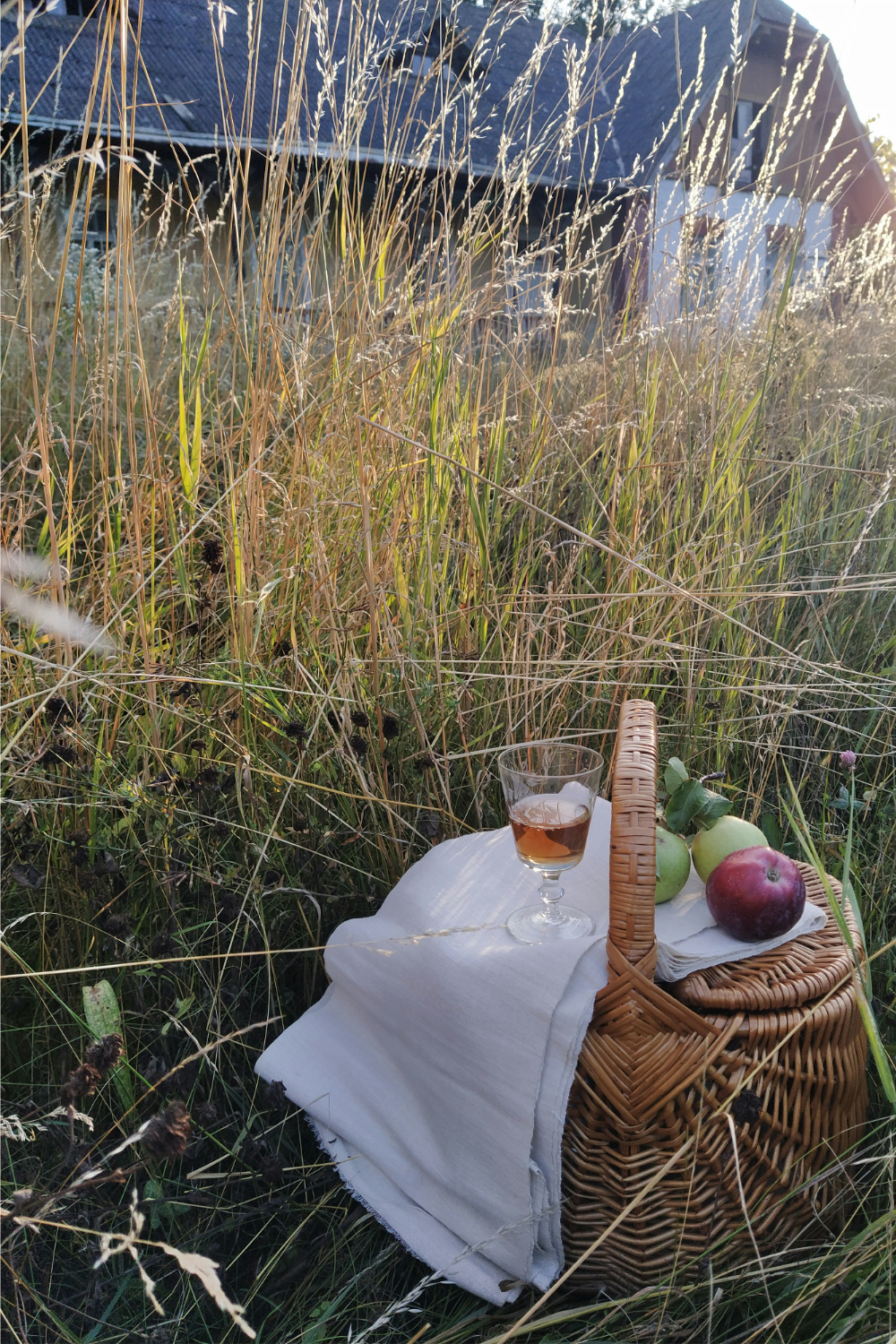
There’s nothing glamorous about burnout. If you’re tired of feeling stretched thin, always running, rarely arriving—this is your sign to slow down. Living slow isn’t about quitting everything and moving to a cabin (unless you want to). It’s about choosing intentional living in a world that constantly demands more.
This isn’t a productivity hack. It’s a full-body exhale.
What Does It Really Mean to Live Slow?
The Heart of the Slow Living Lifestyle
Living slow means moving through life with more awareness, fewer distractions, and deeper connection. It’s choosing quality over quantity—moments over milestones. The slow living lifestyle invites you to stop chasing and start experiencing. You won’t find your worth in how busy you are.
Why Slowing Down Life Changes Everything
When you slow your pace, things shift. You notice beauty in everyday rituals. You make space for what matters instead of filling your calendar just to feel accomplished. It’s not just about mindfulness practices. It’s about coming home to yourself.
What Living Slow Is Not
It’s not laziness. It’s not giving up. And no, it’s not just for people with “more time.” It’s for anyone ready to stop living on autopilot.
The Health Benefits of Living Slow
You don’t need studies to tell you what your body already knows—but here’s what happens when you slow down:
Your Stress Levels Drop
Letting go of the rush allows your nervous system to reset. Intentional living tips like saying no, setting boundaries, and creating slower routines help reduce chronic anxiety.
You Think More Clearly
A scattered life leads to a scattered mind. Living slow gives you mental clarity and space to make decisions that actually align with what you want.
Your Body Feels Better
You sleep more. You breathe deeper. You start choosing movement and meals that nourish you instead of numb you. It’s not magic—it’s presence.
Practical Ways to Start Living Slow
You don’t need to change your entire life. Start small and build from there.
1. Create a Daily Schedule That Works for You
Structure doesn’t have to be rigid. A loose schedule that honors your energy can help you stay focused without feeling boxed in.
2. Prioritize Like You Mean It
If it’s not a full yes, it’s a no. Living slow means learning to be selective with your time and energy.
3. Limit Screen Time
You know how draining endless scrolling is. Try screen-free mornings or tech-free evenings to protect your peace.
Mindfulness and Being Here for Your Life
What Is Mindfulness Really?
It’s not about sitting cross-legged for hours. Mindful living is simply being aware—of your body, your thoughts, your surroundings—and choosing to stay present instead of checked out.
Everyday Mindfulness Practices
- Take three deep breaths before starting something new
- Eat one meal a day without multitasking
- Notice how your feet feel on the ground while you walk
Why It Matters
Because this moment is the only one you’ve actually got. Slowing down life helps you stop missing it.
Slower Living Strengthens Your Relationships
Make Room for Quality Time
When you live slow, you stop rushing through connection. Even a 10-minute conversation with your full attention can mean more than an hour of distracted time.
Practice Active Listening
Put the phone down. Make eye contact. Reflect back what you hear. It’s a gift most people don’t receive often enough.
Choose Depth Over Frequency
You don’t need constant communication—you need meaningful interaction. That’s what builds real connection.
Create a Cozy, Calm Home that Supports Your Pace
Embrace the Minimalism Lifestyle (Your Way)
Minimalism doesn’t mean bare. It means intentional. Create a space that feels open, clear, and supportive—not cluttered and chaotic.
Use Natural Elements to Ground You
Plants. Wood. Soft light. Textures that invite calm. These simple touches support a slower nervous system and a cozier environment.
Decorate for Calm, Not for Instagram
This is your space. Let it reflect peace, not pressure.
Slow Food Is a Love Language
Eat Seasonally and Locally When You Can
It’s better for the planet and better for you. Food grown close to home tastes different—more alive somehow.
Say Goodbye to Processed Everything
Not because of rules or guilt, but because you feel better when your meals are simpler.
Practice Mindful Eating
Sit. Slow down. Taste. Let food be nourishment, not just fuel.
Stay Close to Nature (It’ll Teach You How to Slow Down)
Time Outside Changes Everything
Even five minutes outside can reset your mood. The natural world doesn’t rush. Follow its lead.
Build Nature Into Your Routine
- Take your coffee outside
- Add a walk to your lunch break
- Keep your blinds open for sunlight and sky
What Makes Living Slow Hard (and How to Stay With It)
1. “I Don’t Have Time”
You don’t need more time. You need more presence in the time you already have. Start with one slow breath. One quiet morning.
2. “Everyone Else Is Doing More”
Let them. Your value isn’t measured in urgency. Intentional living means opting out of that race entirely.
3. “I Can’t Be Perfect at This”
Good. You’re not supposed to be. Living slow is a practice, not a performance.
Slowing down is not about doing less. It’s about choosing better. More aligned. More grounded. More human.
So take the pressure off. You don’t need to earn rest or prove your worth through productivity. The slow life is yours if you’re ready to reclaim it.
Leave a Reply