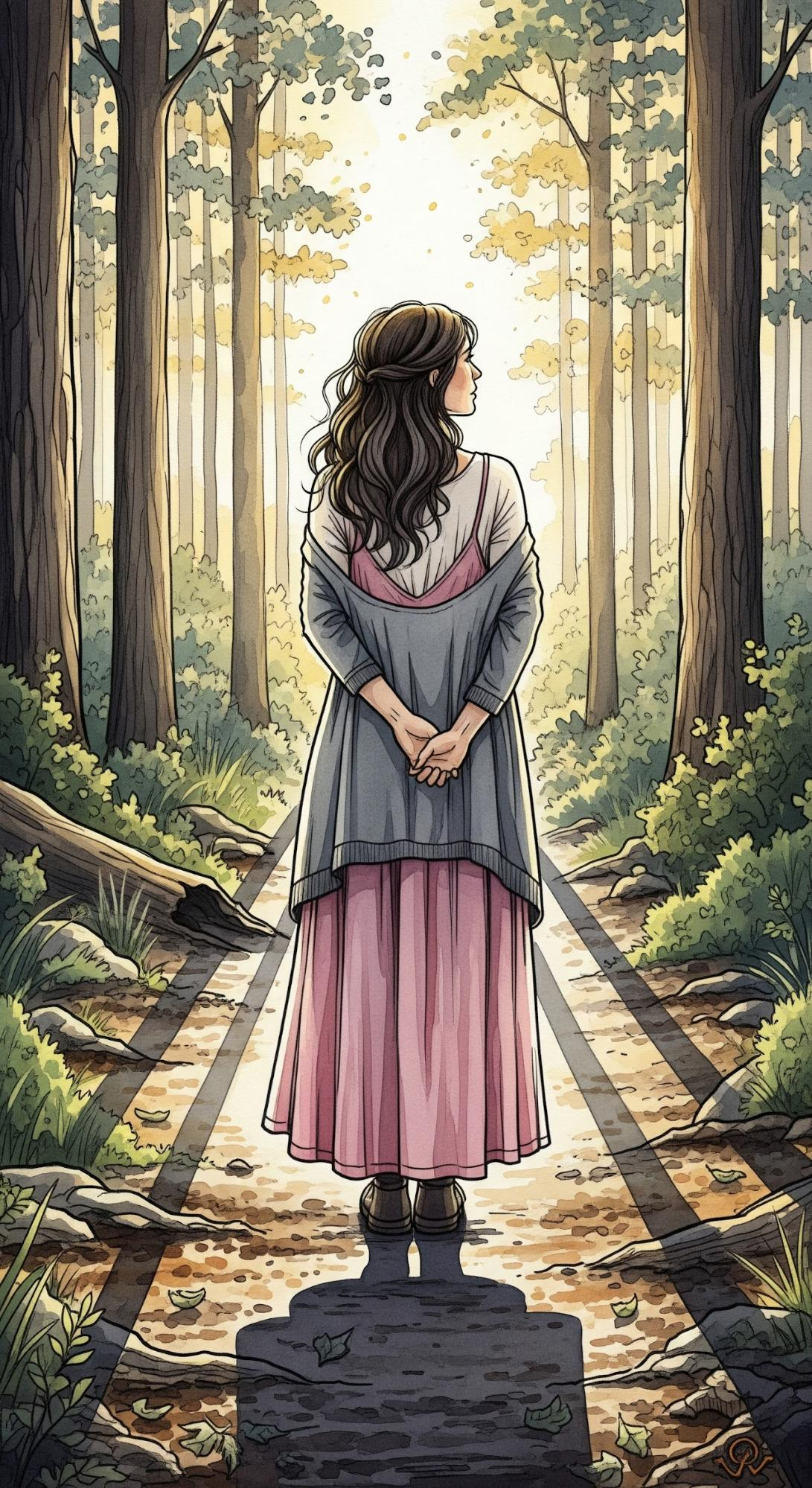
(Hint: It’s Not About Being Fearless)
When fear shows up—and it will—it doesn’t mean you’re broken or weak. It means you’re standing at the edge of something meaningful.
Whether you’re starting a business, setting a boundary, or simply trying to trust yourself again, here’s the truth:
Real courage isn’t the absence of fear.
It’s the decision to keep going with fear still in the room.
This post is a raw, grounded look at what real courage is, what it’s not, and how to practice it in your everyday life—no superhero cape required.
What Is Real Courage?
Most people define courage as doing something brave despite fear. And they’re not wrong. But the version we’re taught usually centers around grand gestures—saving lives, climbing mountains, speaking to thousands.
That’s not the full story.
Real courage often looks smaller, quieter, and more personal.
It’s walking into therapy for the first time.
It’s quitting a job that’s draining your soul.
It’s starting that creative project no one asked for—yet.
We don’t talk enough about everyday courage. The kind that builds slowly, choice by choice.
And the truth is, most of us wait until we feel confident before taking action. But confidence is something that comes after doing the scary thing—not before.
If you’re ready to explore how courage shows up in your personal evolution, this post on brave growth dives deeper into what it really means to choose growth over comfort—even when fear is still in the room.
Why Courage Gets Misunderstood (and Why That Matters)
Here’s where we get it twisted:
We think courage is about being ready. But courage has nothing to do with readiness.
You don’t need a polished plan or a perfect moment. You need willingness.
Willing to try.
Willing to risk looking foolish.
Willing to honor your truth, even if it makes other people uncomfortable.
Examples of real courage might look like this:
- Declining work that doesn’t align with your values.
- Posting your art when no one’s clapping yet.
- Saying “I’m not okay” out loud.
This isn’t loud, viral bravery. It’s the kind that lives in your chest and changes your life from the inside out.

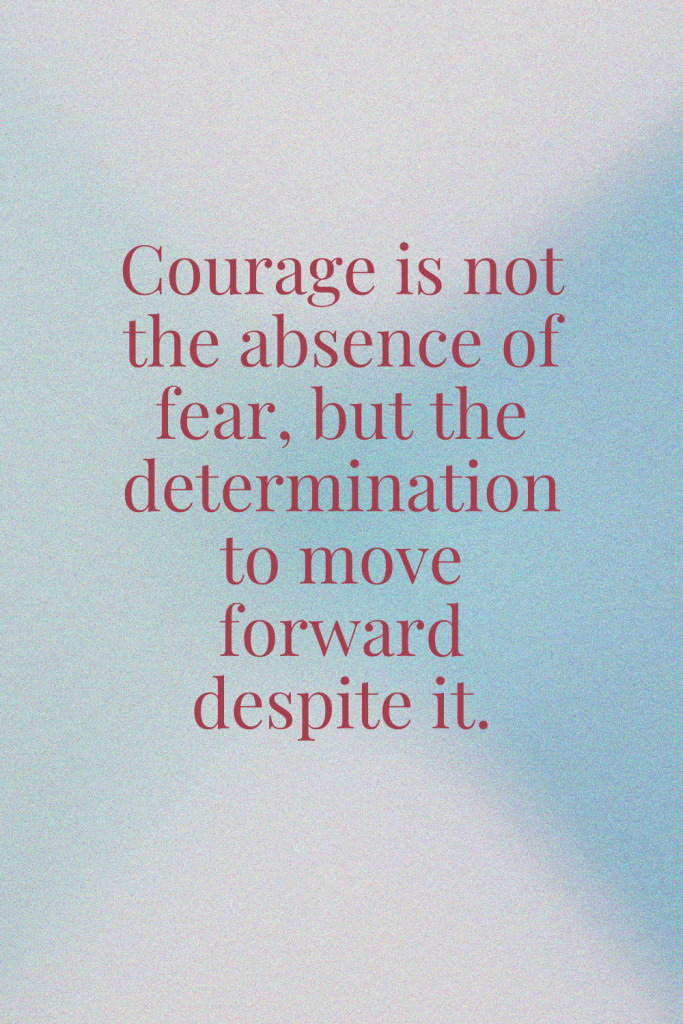
While scrolling Pinterest for inspiration, I found some encouraging quotes.
People are craving more meaning, more gentleness, more courage in their ordinary days.
What does that tell us?
People—especially women—are looking for permission to be real. To be scared and strong. To be imperfect and brave.
What Courage Looks Like in Real Life
If you’re wondering what courage actually looks like when no one’s watching, here’s a breakdown:
1. Courage in Career Moves
- Pitching your services while imposter syndrome whispers in your ear.
- Asking for a raise that makes your stomach twist.
- Leaving a job that pays well but costs your peace.
2. Courage in Relationships
- Having the hard conversation.
- Letting go of someone you love because you love yourself more.
- Setting a boundary, even when it’s misunderstood.
3. Courage in Personal Growth
- Finally starting the thing you’ve been “thinking about” for years.
- Going to the doctor about something you’ve been ignoring.
- Choosing rest when everything in you says “you haven’t done enough.”
Real courage is deeply personal. What’s terrifying for you might be effortless for someone else. That doesn’t make it less brave.
Want to go deeper with practical steps? Here are 5 ways to build courage even while fear is tagging along—because bravery doesn’t require certainty, just willingness.
The Real Takeaway: You Don’t Have to Be Fearless to Be Brave
If you’re wondering what is real courage, it’s this:
It’s you, reading this blog with a lump in your throat because something here resonates.
It’s you, deciding to try—again.
It’s you, standing at the edge of something new and taking that step anyway.
Fear doesn’t mean you’re not brave.
Fear means the moment matters.
So take the step. Even if it’s shaky.
That is what makes you strong.

Leave a Reply