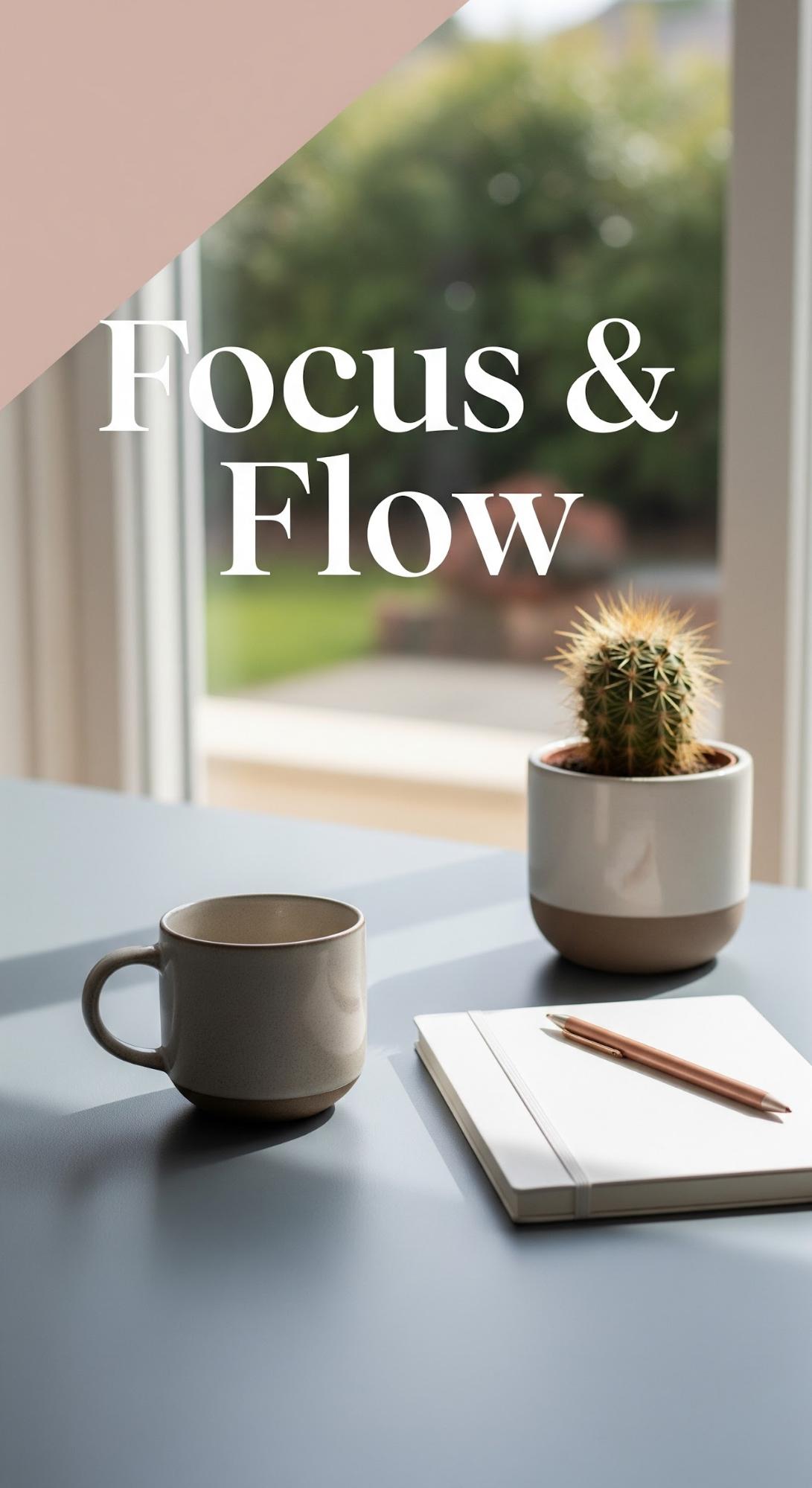
Hey! You know what? Creativity isn’t always on tap. One day you’re overflowing with ideas, the next you’re doom-scrolling and doubting every thought you’ve ever had. It’s frustrating. But the truth is, creative flow isn’t magic—it’s something you can cultivate with intention.
And no, it doesn’t require moving to a mountaintop or going completely offline.
These three simple mindfulness-based habits can help you reconnect with your creative self, ditch the overwhelm, and actually enjoy the work you’re doing.
1. Morning Journaling (Not Just for “Writers”)
Journaling isn’t about writing a novel—it’s about clearing the mental gunk that clogs your creative channel. Think of it as a brain detox before your day starts.
Why it works:
Putting your thoughts on paper helps your brain stop holding onto them. That clarity creates space for new ideas and inspiration. It also calms your nervous system—hello, focus. Source: Harvard Health on journaling and mental clarity
Try this:
-
Write without editing or censoring.
-
Use prompts like:
-
What’s on my mind this morning?
-
What do I need to let go of today?
-
What am I curious about right now?
-
-
If you hate writing—doodle, sketch, collage. It’s your journal, not your boss.
2. Nature Walks (No Phones Allowed)
This one’s ridiculously simple and often overlooked: go outside and be there. Even 10 minutes can reset your brain.
Why it works:
Nature shifts your brain into a more relaxed state (alpha waves), which is when the best ideas sneak in. Studies back this up—time outdoors reduces stress, lifts mood, and fuels creativity. Source: Stanford study on nature and cognitive function
Make it mindful:
-
Leave your phone or put it on Do Not Disturb.
-
Notice 5 things you can see, 4 you can hear, 3 you can feel.
-
Walk slowly and let your mind wander.
You’re not wasting time—you’re recharging the part of your brain that makes magic.
3. Meditation That Doesn’t Feel Woo-Woo
You don’t need incense or hours of silence. Just give your brain a moment to shut up so your real ideas can rise up.
Why it works:
Meditation builds focus, quiets anxiety, and increases something called divergent thinking—aka your ability to connect the dots in new ways. Source: Psychology Today on meditation and creativity
Start here:
-
2 minutes of deep breathing—inhale for 4, exhale for 6.
-
Try a free app like Insight Timer or Headspace if you want structure.
-
Do it when you’re tempted to scroll—your future self will thank you.
Putting It All Together (Without Overcomplicating It)
Here’s how a grounded, doable daily rhythm might look:
| Time | Habit | Why it matters |
|---|---|---|
| Morning | 5-min meditation + journaling | Set the tone, get clear, release mental clutter |
| Midday | Quick nature walk | Reset, restore, invite inspiration |
| Evening | Reflective journaling or 5-min breathwork | Close your day with presence, not panic |
You don’t have to do all three every day. Start with one. Stack them slowly. Adjust as needed.
When the Block Hits, Don’t Panic
Creative blocks don’t mean you’re broken. They mean your brain needs a reset.
Here’s what helps:
-
Breathe first. A few slow, mindful breaths can lower cortisol fast.
-
Move. Walk, stretch, shake it off—get energy moving.
-
Write something messy. Get the “bad ideas” out so the good ones can show up.
Over time, these mindful pauses train your brain to stay open, curious, and less attached to the pressure of “doing it right.”
Science-Backed, Soul-Aligned
Mindfulness isn’t just feel-good fluff—it changes your brain. Studies show it increases neuroplasticity, regulates the Default Mode Network (that part that daydreams and brainstorms), and improves problem-solving. Source: National Institutes of Health
Translation: you get better at coming up with ideas and seeing them through—without burning out.
Your Space Matters Too
Your environment impacts your creativity more than you think. If your space feels chaotic, your mind probably does too.
Set the mood:
-
Declutter one surface.
-
Add a candle, plant, or playlist that calms your nervous system.
-
Create a “create corner”—somewhere that cues your brain: this is where the magic happens.
Real People, Real Shifts
-
Sarah, a freelance writer, started with 5 minutes of journaling and now writes consistently without second-guessing everything.
-
Alex, a designer, swapped his midday Instagram break for a 15-minute walk—and found himself flooded with fresh ideas.
These are regular humans who simply made space for mindfulness. And you can too.
Ready to Start?
Pick one thing from this list and try it tomorrow. Not all of it. Just one.
Mindfulness isn’t about being perfect—it’s about being present enough to catch the creative sparks before they burn out.
You’ve already got the ideas. These habits just help you hear them more clearly.
Ready to build a creative rhythm that actually works for your life?
Grab the FREE Success Redefinition Guide — packed with mindful prompts and no-fluff strategies to help you ditch burnout and tap into your creative flow, on your own terms.



Leave a Reply